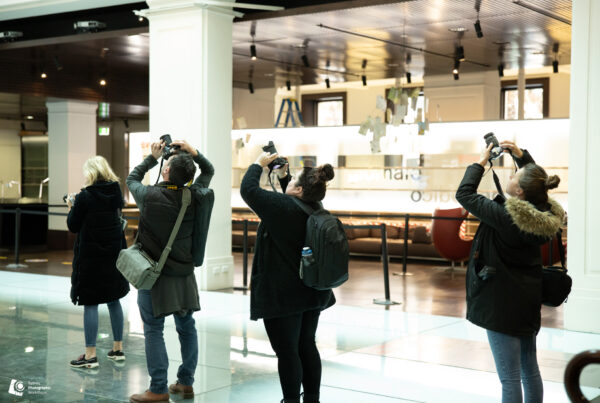
The core techniques every beginner must develop are: understanding shooting modes (Auto, Av, Tv, M), controlling exposure using the exposure triangle, reading available light, selecting the right focus mode, and applying composition basics before pressing the shutter. These are not complex — they become instinctive with practice. SPW’s Photography Essentials Workshop covers all of them in a 4-hour guided shoot around Sydney Harbour Foreshore for $150.
This article covers:
How to Get Better at Photography Fast: The 5 Core Photography Techniques
There are hundreds of photography techniques. Most beginners try to learn too many at once and master none. These five are the foundation everything else is built on. Get these right and your photos will improve dramatically before you touch a single editing slider.
- Shooting modes — knowing when to use Av, Tv, M and P
- Focus selection — controlling where your camera focuses, not where it wants to
- Exposure control — aperture, shutter speed and ISO working together
- Reading light — direction, quality and colour of available light
- White balance — getting accurate colours without a colour cast
Camera Shooting Modes: What Each Mode Does and When to Use It
Your camera mode dial is not a spectrum from beginner to advanced. Each mode is a tool. Professional photographers use Aperture Priority in the field and Manual in the studio.
Aperture Priority: the best starting point for most beginners
Aperture Priority (Av on Canon, A on Sony and Nikon) lets you set the aperture — which determines depth of field and how much light enters — and the camera selects the matching shutter speed for correct exposure. It removes half the variables while keeping you in creative control of the most important one.
When to use Shutter Priority (Tv/S)
Switch to Shutter Priority when motion is your main concern. Photographing a child running, a dog jumping, or cars on a wet street at night? Set your minimum freeze speed (1/500s for fast action, 1/250s for walking pace) and let the camera handle aperture. It is the fastest way to avoid motion blur on unpredictable subjects.
Focus Modes: How to Get Your Subject Sharp Every Time
Modern cameras have extraordinary autofocus systems — but they need you to tell them where to look. The default automatic area focus picks the nearest object in the frame, which is often not your subject.
Single-point AF vs Zone AF
Single-point AF places a small focus point exactly where you aim it. Use this for stationary subjects: portraits (aim at the nearest eye), architecture, still life, food. Zone AF uses a cluster of points in a defined area — useful when your subject is moving within a predictable zone, like a basketball player in the key.
Continuous focus for moving subjects
When your subject is moving, switch from One-Shot (Canon) or AF-S (Nikon/Sony) to Continuous AF: AI Servo on Canon, AF-C on Nikon and Sony. Your camera will track the subject and continuously update focus as it moves. This is essential for animals, sport, and children.
Understanding and Working With Natural Light
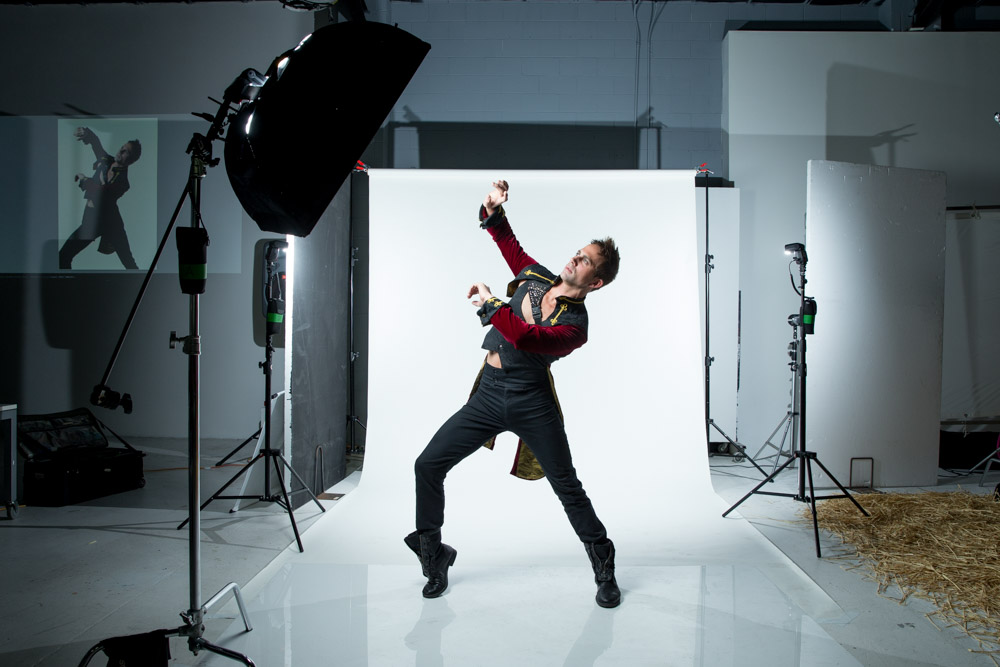
Light has three properties every photographer needs to read: direction (where it comes from and the shadows it creates), quality (hard or soft), and colour (warm or cool). Reading these before you shoot determines your settings, your position, and whether you wait for better light or work with what you have.
| Light type | Quality | Best for | When to use |
|---|---|---|---|
| Direct midday sun | Hard, harsh | Bold, graphic subjects | Avoid for portraits; move to shade |
| Open shade | Soft, cool | Portraits, products | Anytime of day |
| Golden hour | Soft, warm, directional | Landscapes, portraits, architecture | First/last hour of sunlight |
| Overcast sky | Soft, diffused, even | Portraits, macro, food | Any overcast day |
| Blue hour | Cool, moody | Cityscapes, long exposures | 15 min after sunset |
White Balance: Why Your Photos Look Orange or Blue Indoors
Every light source has a colour temperature. Incandescent bulbs glow orange-warm. Shade is blue-cool. Fluorescent lights are green-tinged. Your camera needs to know what neutral white looks like in your current light source so it can render colours accurately. Auto White Balance (AWB) works well outdoors in natural light. Indoors under mixed or artificial light it frequently fails — switch to Daylight, Tungsten, or Fluorescent presets to fix colour casts instantly.
What Camera Do You Need for the Photography Essentials Workshop?
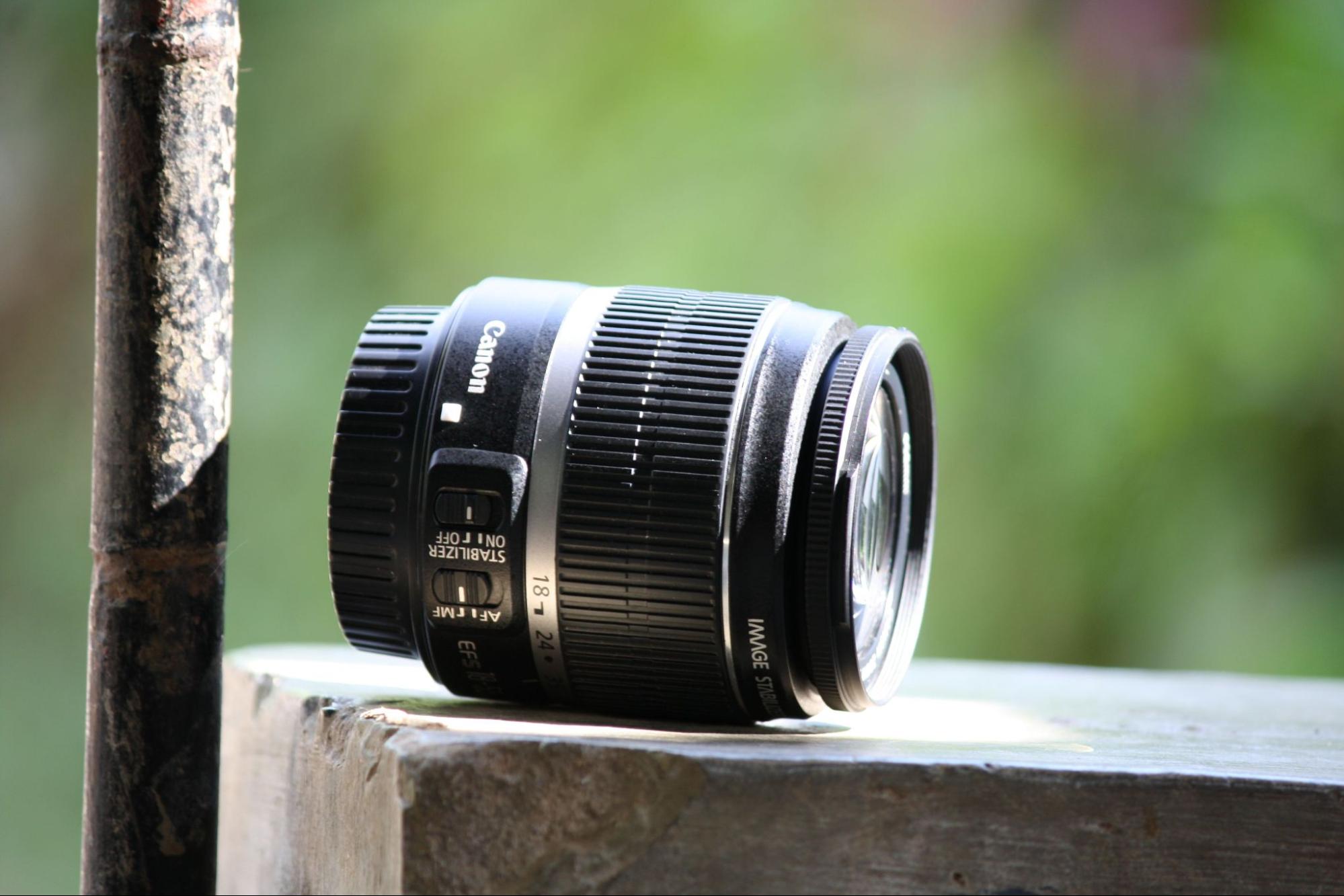
Any DSLR or mirrorless camera with full manual capability is suitable. Compact cameras without manual mode are not accepted. If you are unsure whether your camera qualifies, contact SPW before booking. If you are still researching cameras, mirrorless is the stronger recommendation in 2026 for its autofocus, weight advantage, and the quality of entry-level options from Sony, Fujifilm and Canon.
Common questions about photography techniques
What photography techniques should a beginner learn first?
Start with camera modes (especially Aperture Priority), then exposure control (aperture, shutter speed, ISO), basic composition (rule of thirds, leading lines), focus selection, and reading available light. These five give you 80% of the improvement most beginners need.
What is white balance and why does it matter?
White balance tells your camera what “white” looks like in your current light source. Get it wrong and your photos go orange under incandescent bulbs or blue under shade. Setting a custom or appropriate white balance fixes colour casts instantly.
What is the best shooting mode for beginners?
Aperture Priority (Av or A) is the ideal starting point. You control depth of field (aperture) and the camera handles shutter speed for a correct exposure. It’s what most professionals use in everyday shooting.
How do I choose the right focus mode?
Use Single-point AF for stationary subjects (portraits, architecture, landscapes) and Continuous AF (AI Servo on Canon, AF-C on Nikon/Sony) for anything moving — sport, animals, children. Start with single-point and move to continuous once you’re comfortable.
Is a DSLR or mirrorless better for learning photography?
Both work equally well for learning. Mirrorless cameras are generally lighter and offer more advanced autofocus, but DSLRs have longer battery life and often better ergonomics for beginners. Use whatever you already have — the technique is the same.
What does “reading the light” mean in photography?
Reading the light means assessing the direction (where shadows fall), quality (hard/soft) and colour (warm/cool) of available light before you shoot. It helps you position your subject, choose your settings and decide whether to wait for better conditions.
How long does it take to learn photography techniques?
Most beginners see a clear improvement in a single guided session. SPW’s Photography Essentials workshop is 4 hours and most students leave shooting consistently better images. Deeper mastery of manual mode and light takes consistent practice over weeks.
What camera do I need for the Photography Essentials workshop?
Any DSLR or mirrorless camera with full manual capability is suitable. Compact cameras without manual mode are not accepted for this workshop. If you’re unsure whether your camera qualifies, contact SPW before booking.
Interested in mastering all five techniques hands-on?
SPW’s Photography Essentials workshop covers all five techniques in a 4-hour guided shoot around Sydney Harbour Foreshore. Saturday sessions for $150.